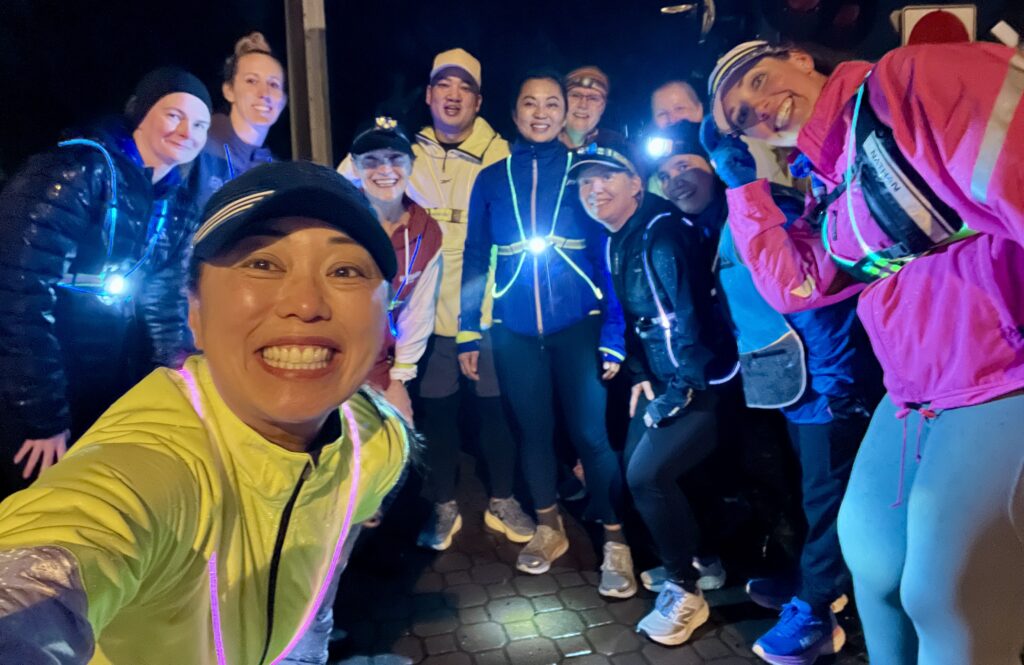
When I first joined Frontrunner’s half marathon clinic https://frontrunners.ca/pages/training-programs, the hardest part wasn’t the fact that I was really out of shape and that every part of my body hurt while running. Instead the hardest part for me was overcoming the persistent “mom guilt” of leaving my kids at home so that I could focus on myself. For a very long time, the needs of my family always came first. The concept of self-care wasn’t in my vocabulary.
At both the running clinic and at Oxygen Fitness https://oxygenyogaandfitness.com/langford-location/, I’ve noticed a theme among the parents I train with. We aren’t just running away from our responsibilities, we are running toward regaining the old version of ourselves.
By documenting these weekly sessions, I am personally experiencing that the mental health benefits of group fitness are practical, not just theoretical. I am learning that taking time for my health isn’t a “break” from my family, it is the fuel that allows me to show up for them.
Each week, I find myself counting down the days until I meet up with my running group. Out on the pavement, we can talk about anything and everything from the mundane details of the week, to giving each other life advice (real-estate, birthday gift ideas, and even big decisions like marriage proposals)!
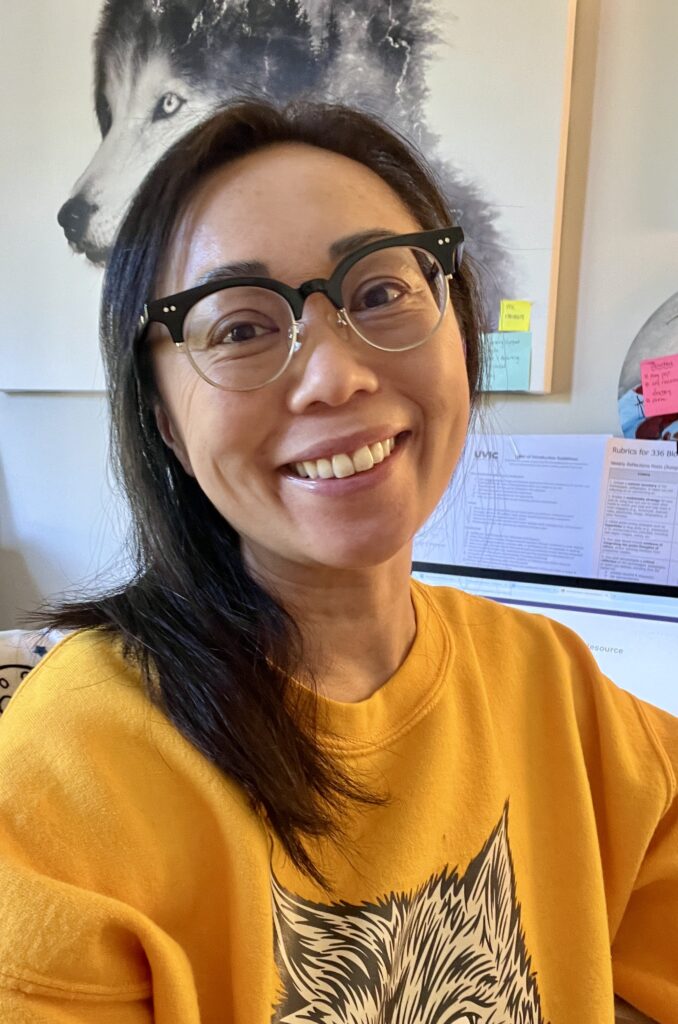
In those moments, I am fully present. I am not managing a household or checking off a to-do list in my head. When I am out running, I am not Mom, I am just simply Amy. The old version who I used to be.
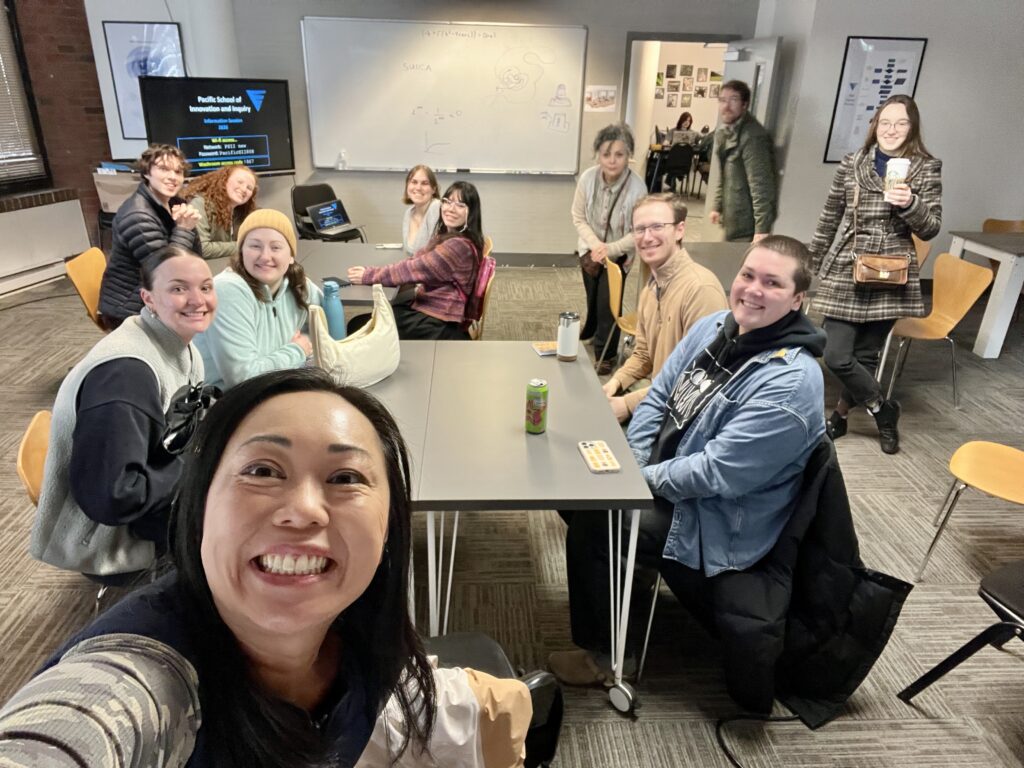
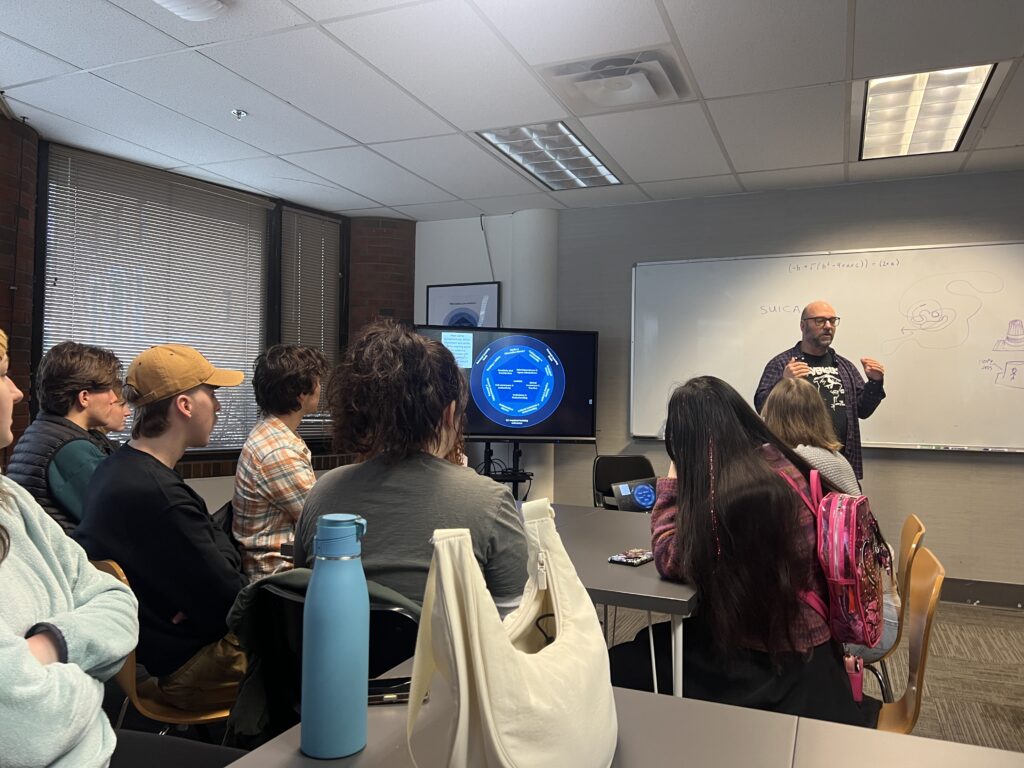
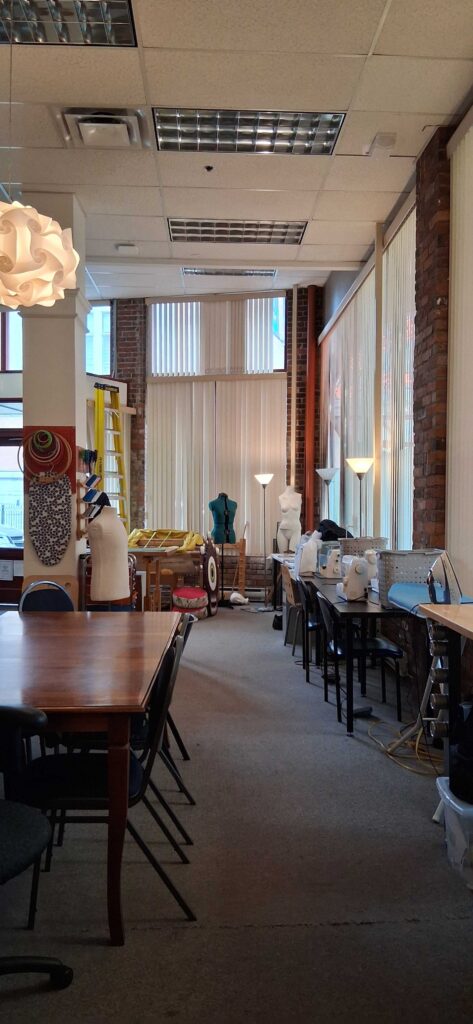
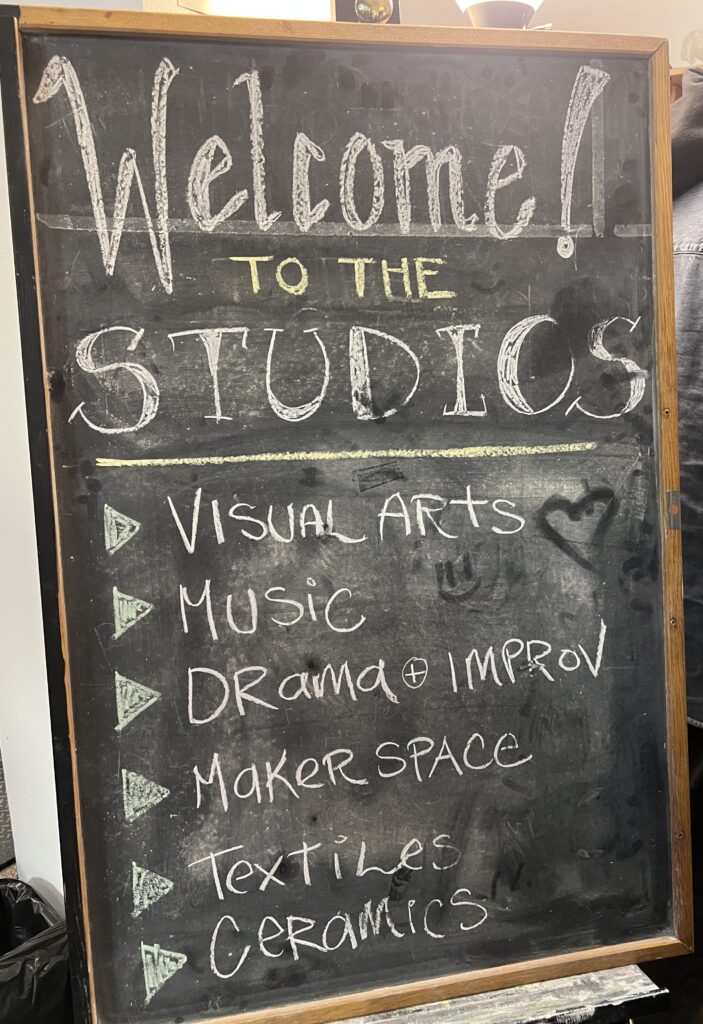
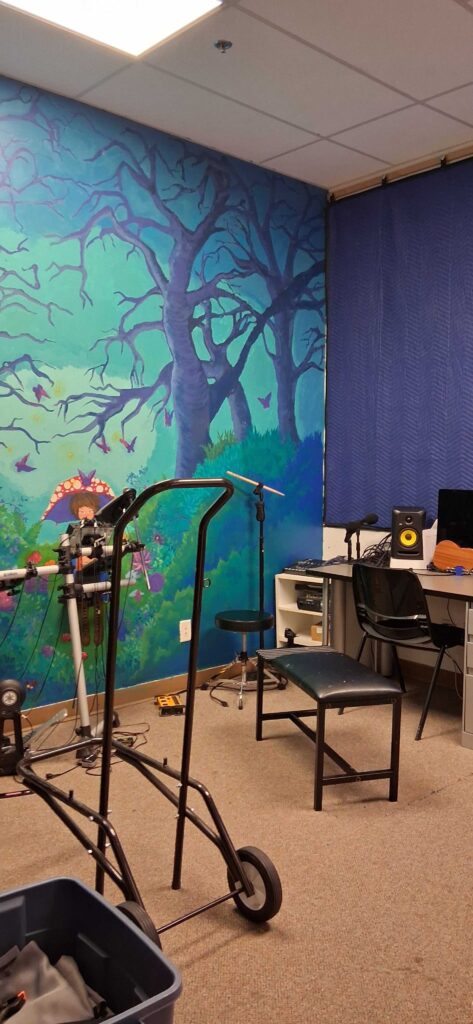
This week, my classmates and I had the opportunity to tour Pacific School of Innovation and Inquiry located in the heart of downtown Victoria https://psii.ca/
Before taking this course, I had never heard of PSII or knew that schools that offered non-traditional, experiential learning institutions in our city even existed. Ever since week one in our course when we were assigned to review the documentary film “Most Likely to Succeed” http://webapp.library.uvic.ca/videos/view.php?vfn=Most-Likely-To-Succeed-(2015).mp4, I have been looking forward to having the chance to learn more about alternative education systems.
Pacific School of Innovation & Inquiry approach to learning and teaching is unlike the traditional school system that we are familiar with. The shape of their learning path is a combination of an emergent curriculum, where students inform their own unique learning and the common BC curriculum.
Prior to touring PSII, I had the chance to speak with one of my neighbour’s daughters, R.D. about her experience at PSII after leaving the public school system just 3 weeks ago. Our conversation was fascinating and I was excited to learn more about her education journey at PSII as a grade 9 student.
Amy: “What are some of your favourite things being a PSII student and what are you most looking forward to in your education journey at PSII”?”
R.D: “My favourite aspects of being at PSII definitely include being fully supported in my learning, getting guidance on any projects that I want to do, and having my ideas supported rather than dismissed. I also love the fact that the teachers really listen to you, and can help you make connections with people or businesses outside of the school.I am really looking forward to learning about things that interest me, and better preparing myself for courses that I want to take in post secondary because of that. I love that the students are not segregated by grade, as I’ve already made so many friends in different grades than me. I feel as though I can take my education to its full potential at PSII, because the environment helps you not be afraid to think for yourself.”
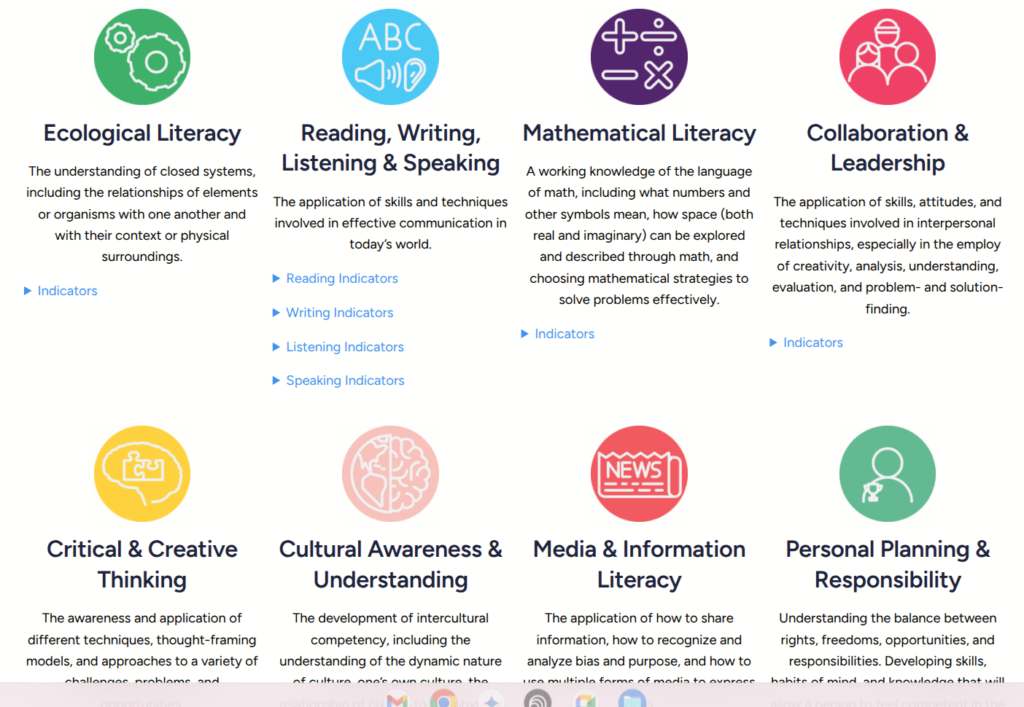
Overall, my time spent at PSII was a very positive and an eye opening experience. I really enjoyed meeting and listening to both Jeff and Jessica, who are the co-principals and teachers at PSII. Many aspects of what they shared with our cohort was fascinating. I had many key take-aways, but what was particularly interesting is how their curriculum is based on their learners meeting 8 competencies versus BC curriculum’s 3.
PSII’s approach offers their learners authentic learning and assessment which will help to prepare them not only for their academic careers, but will provide their learners with important soft and hard skills to support them to be successful global citizens.
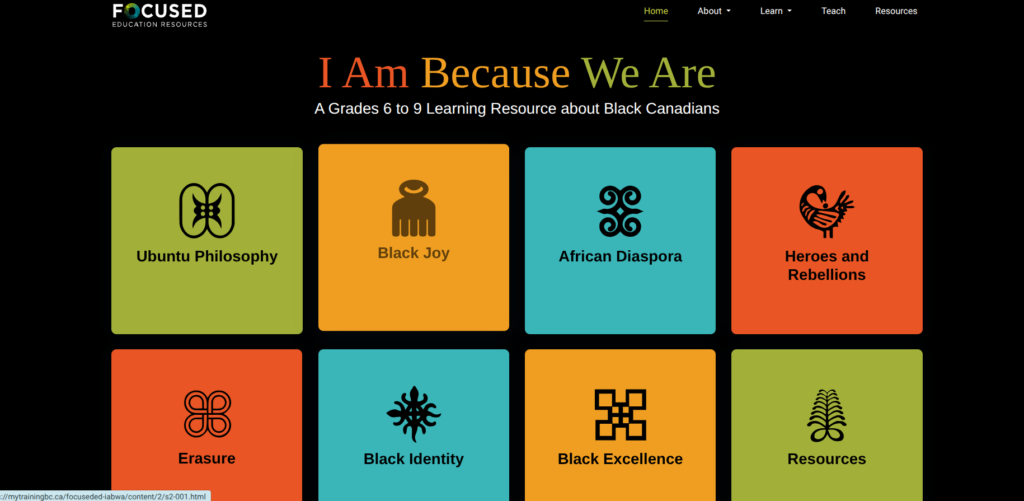
This past BC-wide Professional Development Day, I had the opportunity to learn about A Grades 6 to 9 Learning Resource about Black Canadians. Facilitated by Maureen Ciarniello and hosted by Focused Education Resources https://mytrainingbc.ca/focuseded-iabwa/index.html, the one hour session was a preview of the fantastic on-line resource to help support educators teach Black History within our Canadian education.
As a teacher candidate, I feel a sense of “pedagogical anxiety” when thinking about how I would approach teaching Black History. I worry about my lack of foundational knowledge and not being able to teach it authentically or respectfully. However, participating in this Pro-D day workshop has provided me with reassurance that with this resource, I will be able to teach this important subject with more confidence.
I deeply appreciated many aspects of the on-line resource and am excited to spend more time navigating it. Some of the highlights that I found useful were the ideas for lesson structure which align with BC curriculum’s Big Ideas, Learning Standards, and First Peoples Principles of Learning. I also really valued that the resource not only addresses the realities of racism and slavery, but it also prioritizes Black Joy and positive narratives.
One of my key takeaways was learning about Ubuntu philosophy, a South African Indigenous worldview which the resource is grounded in. I really enjoyed learning about how the Ubuntu philosophy and the First Peoples Principles of Learning are both centered on belonging, community, and interconnectedness.
I am grateful to have been provided with this learning opportunity and to know that when we enter into our teaching careers, that there are amazing resources such as this available.
In my last post, I talked about why I started this inquiry project, the belief that the “struggle” of a workout is actually a bridge to meaningful connection. This week, I’ve been focusing my time at Oxygen Fitness in Langford, and the experience has been transformative.
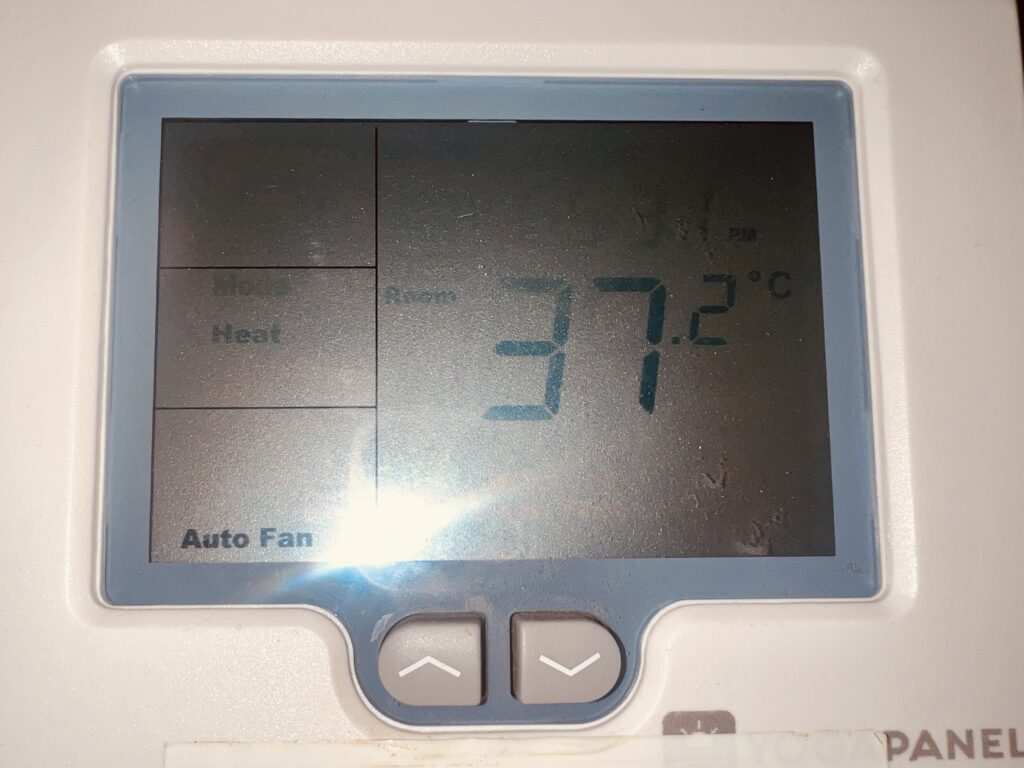
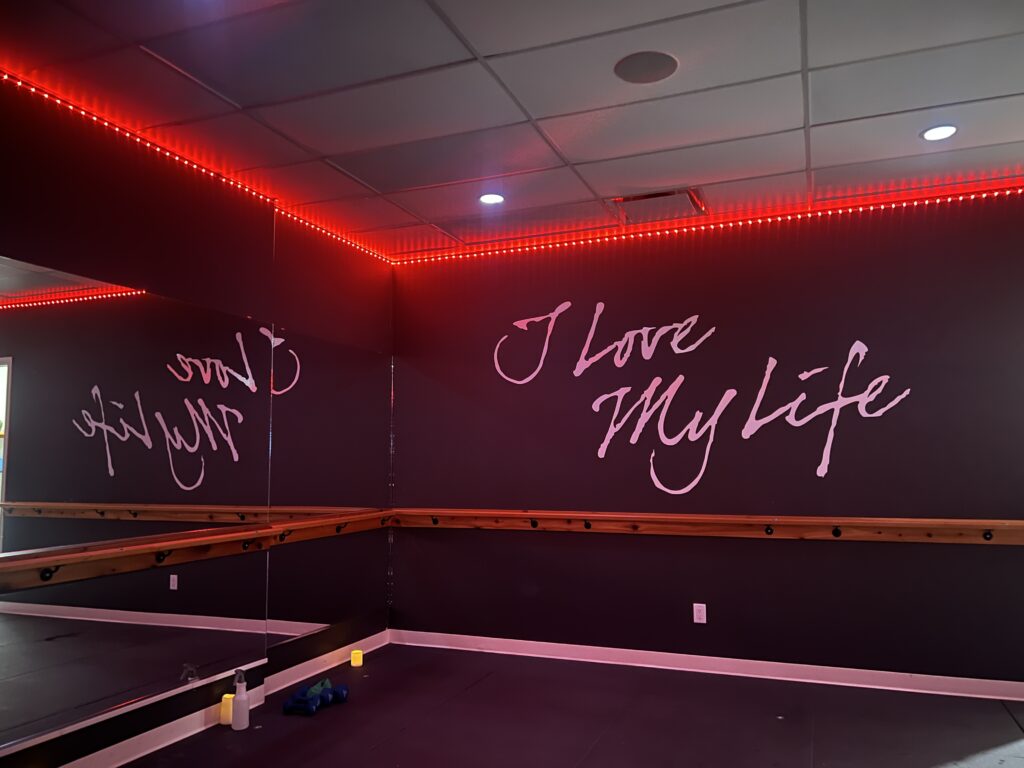
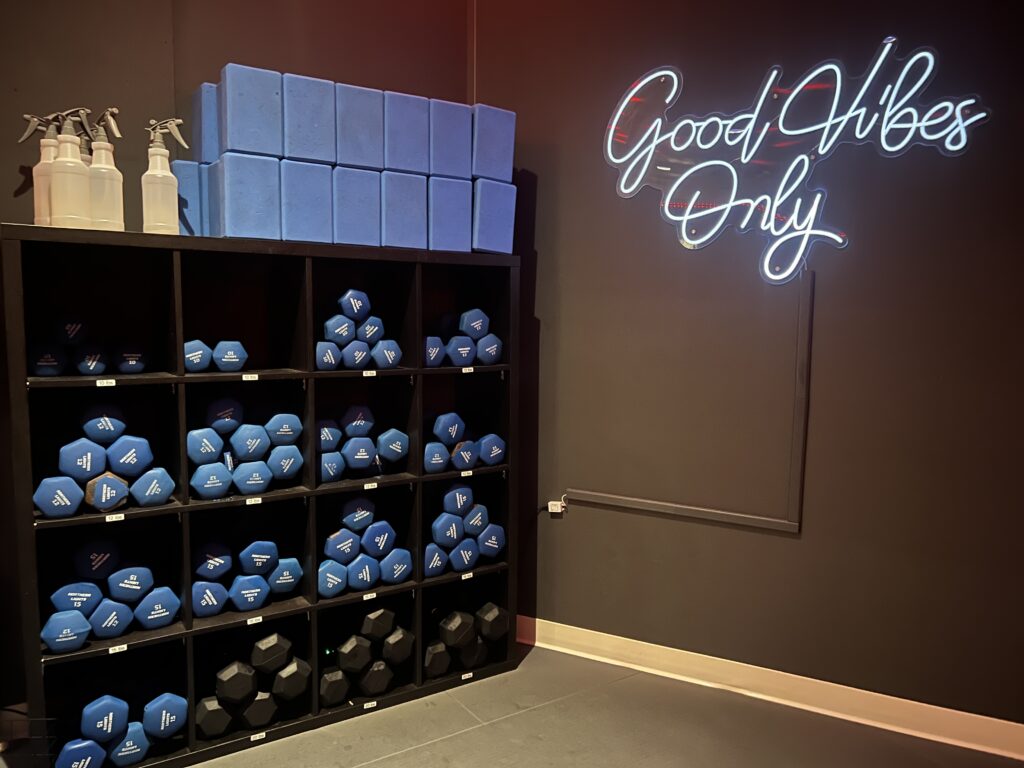
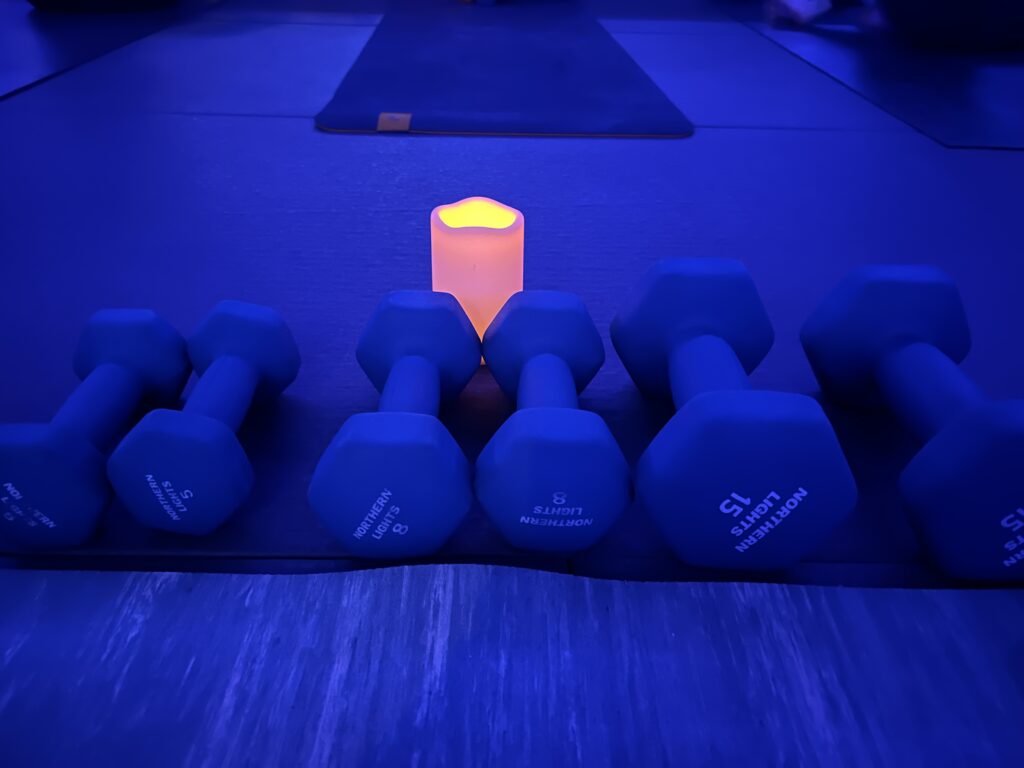
There is something unique about the environment at Oxygen. When you step into that infrared-heated studio (37 c to be exact), it is a space for being real with others. In a typical gym, people often wear headphones and avoid eye contact. But at Oxygen Fitness, the atmosphere is different. We are all breathing the same air, facing the same HOT heat, and pushing through the same fatigue. When the instructor encourages us for ‘just one more rep.!’, you can hear the entire room groan in unison. It is in those moments, the “strangers” in the room start to feel like a team.
Pre-class set up
One of my goals for this project was to see if the vulnerability of fitness could help bridge the gap in mental health conversations. This week, I had the chance to chat with a few members after class.
I asked a simple question: “What brings you here on the days you really don’t feel like showing up?”
The answers weren’t about “getting shredded” or hitting a specific weight goal. Instead, I heard:
“I need to quiet the noise in my head.”
“This is the only hour of the day where I feel like I’m in control.”
“I knew if I didn’t come, I’d miss the energy of this group.”
These snippets of honesty confirmed exactly what I suspected, we aren’t just showing up for the workout, we are showing up for the healing power of the community.