Sprouting skills for a digital world

Month: March 2026

What Does Community Mean to You?

Oxygen Fitness Community
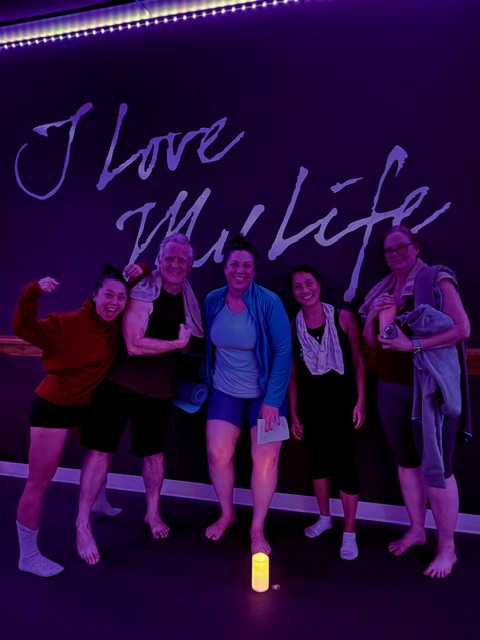
When we hear the word community, we often think of a neighbourhood, a digital forum, or a local club. But over time, I have come to realize that community isn’t just a specific place that you go to, rather it’s a feeling of safety. Community can be anywhere and everywhere. It is what connects people together. 

To me, community is a brave space  where I can be my true, authentic self. It’s an environment where the conversation doesn’t have to stay on the surface. Being part of a community means feeling comfortable enough to pivot from “How was your weekend?” to “I’ve been struggling lately.”

When you find a group where you can discuss your fears or your daily frustrations without hesitation, you have found your community. It’s knowing that the people around you are interested in the real version of you, not the curated one presented on social media.
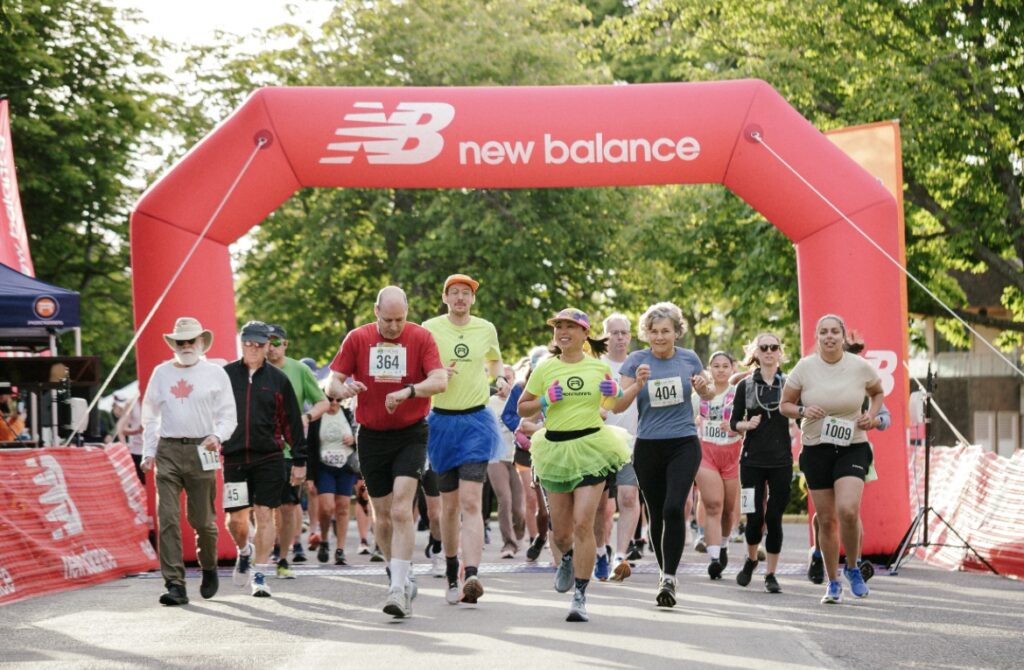
Oak Bay Half-Marathon, early race start pace leader

I am one of those lucky people who has found my community through Frontrunners https://frontrunners.ca/pages/training-programs and Oxygen Fitness https://oxygenyogaandfitness.com/victoria/. For me, it’s about showing up for the workout, but staying for the people who make me feel my best.

What does community look like in your life?

Amy
Computer Thinking and Gaming in Education

Cross-curricular educational tools

This week’s topic was a new area of learning for me. The pre-class videos were very helpful that helped to explain coding and computational thinking. The video Hilarious peanut butter and jam sandwich instructions was a great example that demonstrated the importance of clear and detailed communication, not only for person to person interactions but also for generative AI to work effectively.

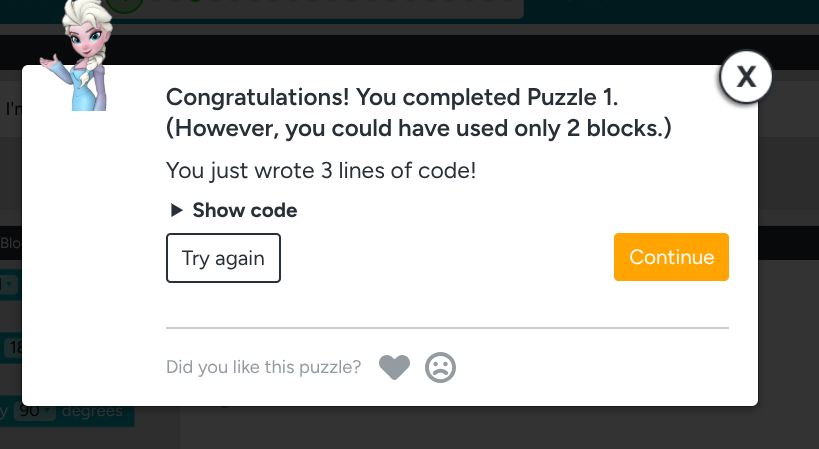
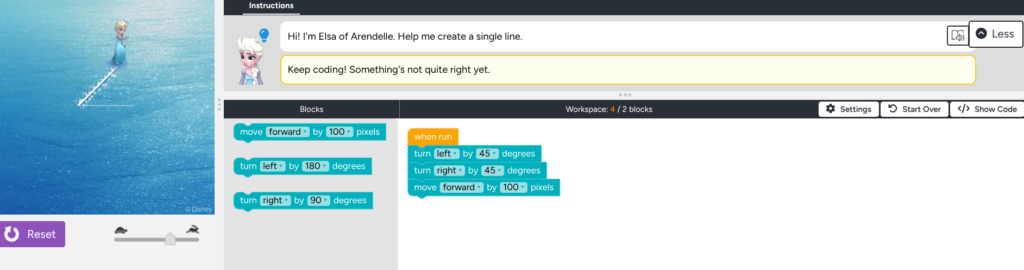
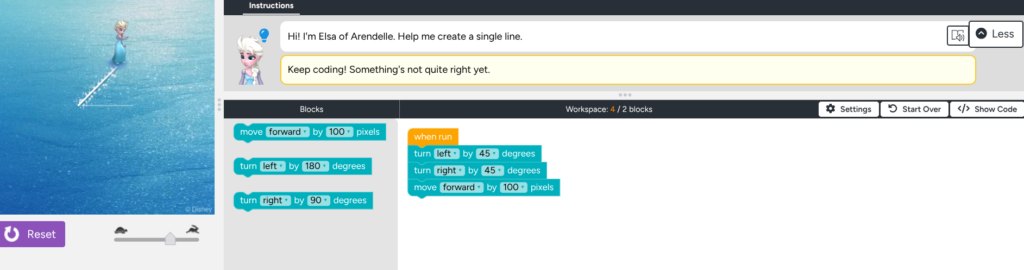
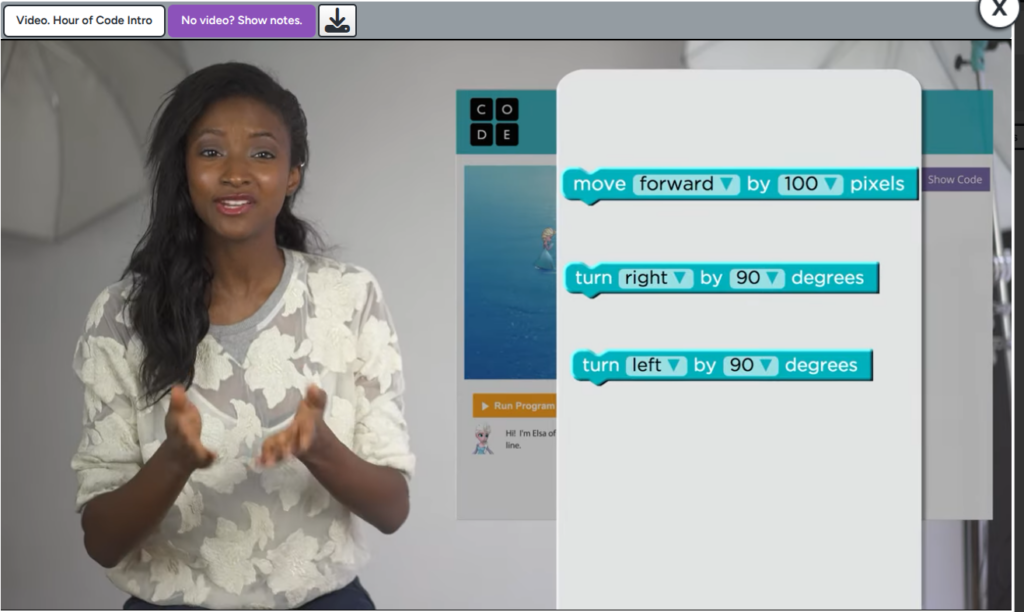
During our first hands-on class time, I really enjoyed playing around with Code with Anna and Elsa https://studio.code.org/s/frozen/stage/1/puzzle/1 that helped to make block coding approachable and fun. I liked that it was a visual drag and drop method, allowing players to code by putting together blocks.

The introduction video tutorial was well done and very entertaining, it reminded me of a Disney commercial. However, when it came time to experiment with the moving Elsa, I was only able to move her a maximum of 2 steps before being prompted to reset. I presume if I spent more time experimenting with block coding, I may be able to have Elsa continue to ‘run’ to make interesting shapes.

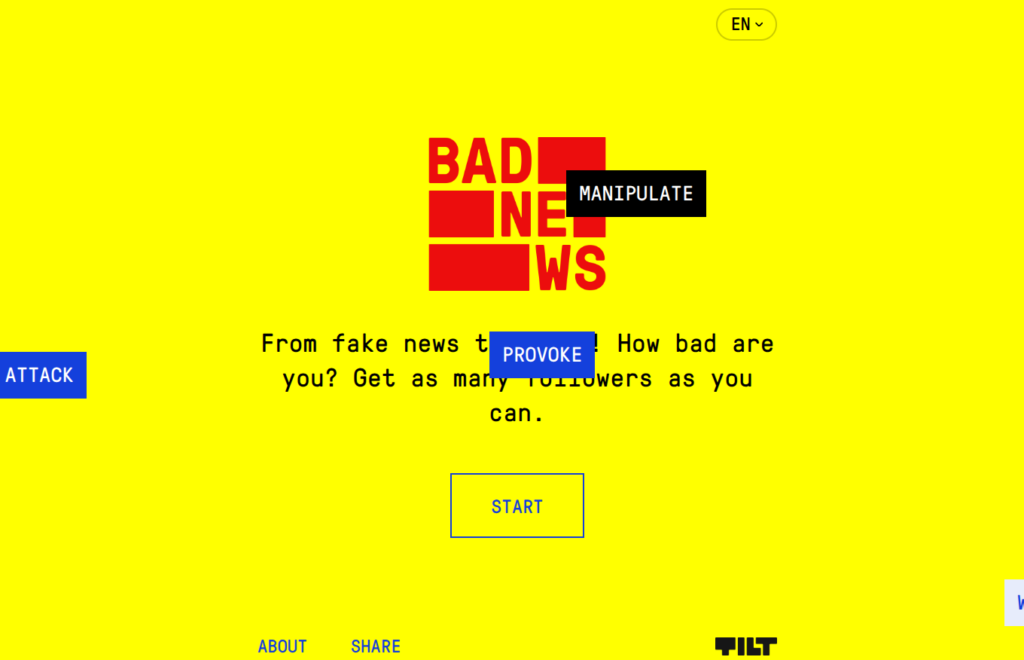
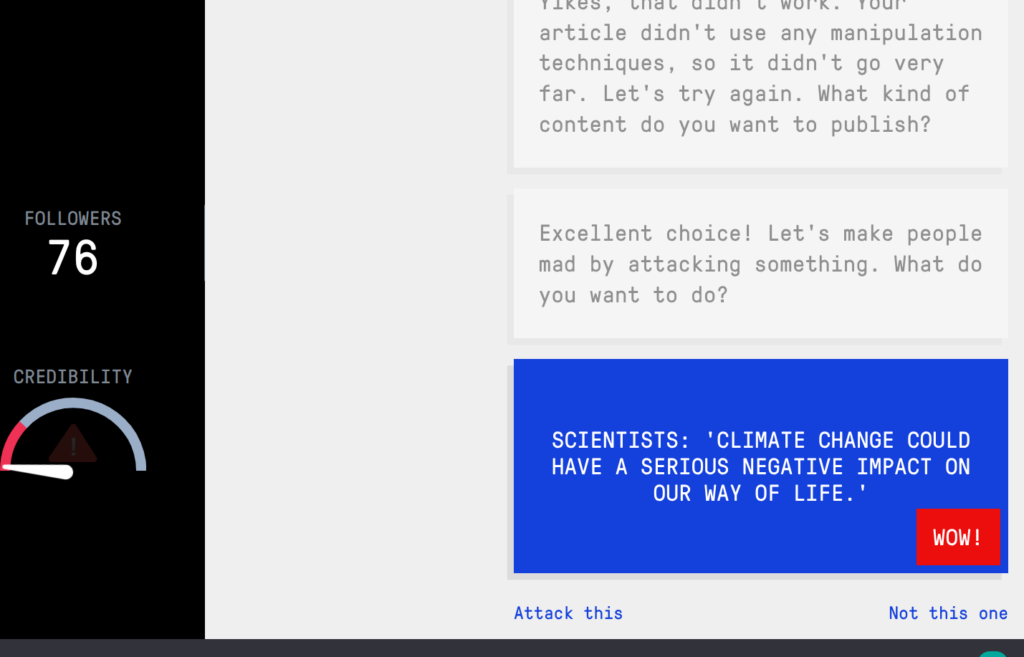
For our second hands-on class time, we spent a few minutes exploring GetBadNews.com https://www.getbadnews.com/en/play. The key concept of this game is psycological inoculation and teaching players through gamification, about the importance of critical media credibility and how misinformation spreads. The format was a simple but interactive game where players were able to choose their own path which then resulted in credibility rating, followers score, and the ability to read Twitters users reaction. I think that many students would enjoy this game as it is authentic to real-world context, but it would be very important to scaffold this game with prior media literacy learning.

In summary, although there are many positive aspects of digital games to help support learning such as engagement and instant feelings of success. I plan to approach digital gamification cautiously in my future classrooms to help mitigate the impacts of adolescent screen oversaturation.

Amy